

Quick Release Couplings: Improving Safety and Reducing Downtime
/ 1
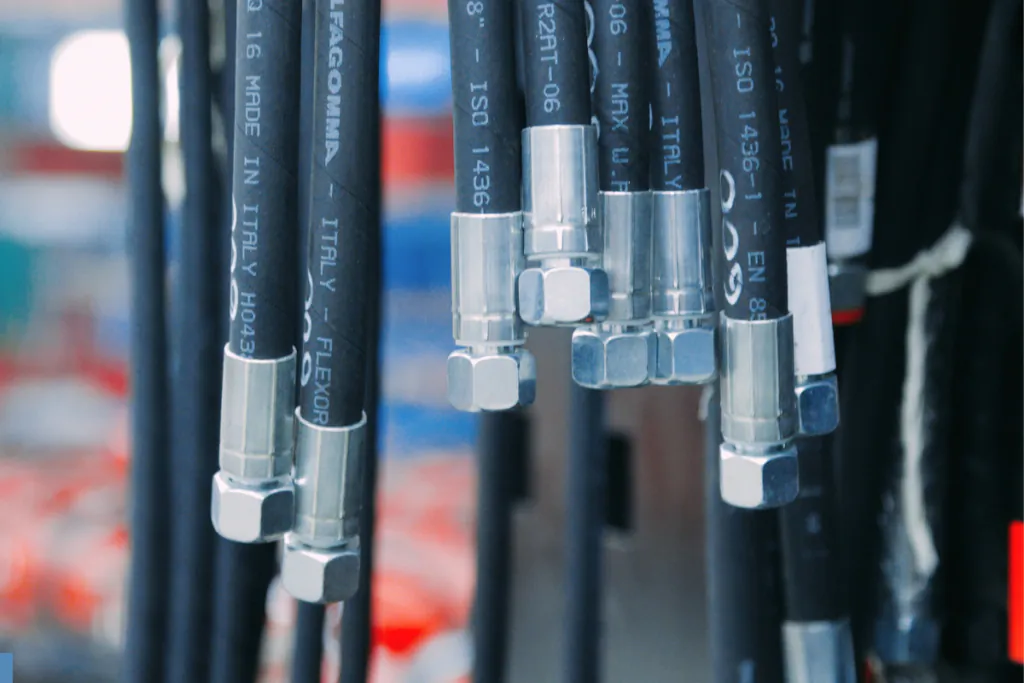
In hydraulic and fluid transfer systems, efficiency and safety are critical. Every connection point represents a potential risk, whether from fluid leaks, pressure hazards or unexpected downtime during maintenance. For industries where reliability directly affects productivity, the right components can make a measurable difference.
Quick release couplings are designed to provide secure, fast connections while significantly improving hydraulic safety and reducing equipment downtime. From construction machinery to manufacturing systems, these components offer practical advantages that go far beyond simple convenience.
This guide explores how quick release couplings work, why they improve safety, and how they help businesses maintain efficient operations.
What Are Quick Release Couplings?
Quick release couplings are mechanical connectors that allow fluid lines to be connected and disconnected quickly without the use of tools. Commonly used in hydraulic, pneumatic and fluid transfer systems, they consist of two halves, typically referred to as the male (plug) and female (socket) components.
When connected, internal valves open to allow fluid flow. When disconnected, built-in shut-off valves close automatically, preventing fluid loss and limiting contamination.
Unlike traditional hose couplings that may require spanners or additional fittings, quick release systems are designed for:
- Speed
- Ease of use
- Leak reduction
- Improved operational efficiency
They are available in various materials, including carbon steel, stainless steel and brass, depending on application requirements and environmental conditions.
How Quick Release Couplings Improve Hydraulic Safety
Hydraulic systems operate under significant pressure. Improper connections or component failure can lead to dangerous fluid injection injuries, spills or equipment damage. This is where quick release couplings play an important role in supporting hydraulic safety.
Minimising Fluid Spills and Pressure Hazards
Many quick release couplings incorporate internal shut-off valves that close automatically when disconnected. This design:
- Reduces the release of pressurised fluid
- Minimises environmental contamination
- Lowers the risk of operator exposure
Flat-face designs, in particular, are engineered to significantly reduce fluid spillage during connection and disconnection.
Preventing Accidental Disconnection
Modern couplings often include locking sleeve mechanisms that prevent unintended separation. In high-vibration environments, such as construction or agricultural machinery, this added security is essential.
Some designs also feature double shut-off systems, meaning both halves seal independently when disconnected. This further enhances hydraulic safety by containing fluid on both sides.
Supporting Safer Maintenance Procedures
Maintenance is one of the most common times accidents occur in hydraulic systems. Quick release couplings allow sections of a system to be isolated efficiently, reducing the need for extensive depressurising or draining.
By simplifying connection and disconnection processes, technicians can work more safely and confidently, lowering the risk of injury or fluid exposure.
Reducing Downtime with Fast Connections
Downtime is costly. Whether caused by equipment failure, changeovers or routine servicing, every minute of inactivity impacts productivity.
One of the main advantages of quick release couplings is the ability to create fast connections without compromising reliability.
Faster Equipment Changeovers
In industries such as manufacturing or plant hire, equipment attachments are frequently swapped. Quick release couplings allow hydraulic lines to be connected and disconnected in seconds rather than minutes.
This is particularly valuable when:
- Changing tools or attachments
- Switching hydraulic circuits
- Moving machinery between sites
- Simplified Maintenance
When servicing machinery, quick disconnection speeds up access to components. Engineers can isolate specific sections of a hydraulic system quickly, reducing labour time and complexity.
Less time spent handling fittings means less disruption to operations.
Minimising Production Interruptions
Reliable hose couplings reduce the likelihood of unexpected failures. A secure, well-matched quick release coupling lowers the risk of leaks, pressure loss or contamination, which are all common causes of unplanned downtime.
Over time, these small efficiencies contribute to significant productivity gains.
Types of Quick Release Couplings
Not all quick release couplings are the same. Selecting the correct type is essential for safety and performance.
Hydraulic Quick Release Couplings
Designed for high-pressure systems, these are commonly used in construction, agriculture and industrial machinery. Variants include:
- Poppet valve couplings (general hydraulic use)
- Flat-face couplings (reduced spillage and contamination)
- High-pressure threaded couplings
- Pneumatic Couplings
Used in compressed air systems, these are typically lower pressure but still benefit from fast connections and secure locking mechanisms.
Dry Break Couplings
Designed to eliminate fluid loss entirely during disconnection, dry break systems are often used in chemical, fuel or hazardous fluid applications.
Push-to-Connect Systems
Common in lighter-duty pneumatic or fluid systems, these allow rapid installation with minimal tools.
Each application requires careful consideration of pressure rating, fluid compatibility and environmental exposure.
Key Considerations When Choosing Quick Release Couplings
Selecting the right hose couplings involves more than matching thread sizes. Key factors include:
Fluid Compatibility
Hydraulic oil, water glycol, chemicals and compressed air all have different compatibility requirements. Seal materials must match the fluid being transferred.
Flow Rate Requirements
Undersized couplings can restrict flow and reduce system efficiency. Proper sizing ensures optimal performance.
Environmental Conditions
Outdoor and corrosive environments may require stainless steel or protective coatings to prevent premature wear.
Interchange Standards
Many hydraulic quick release couplings are manufactured to recognised ISO profiles. Ensuring compatibility avoids costly mismatches.
Industries That Benefit from Quick Release Couplings
Quick release couplings are widely used across multiple sectors:
- Construction and plant machinery
- Manufacturing and automation
- Agriculture
- Marine and offshore operations
- Waste management and utilities
In each of these industries, reducing downtime directly improves productivity and cost efficiency. Equally important, enhancing hydraulic safety protects both personnel and equipment.
Best Practices for Installation and Maintenance
To maximise performance and longevity:
- Always ensure connections are clean before coupling
- Inspect seals and O-rings regularly
- Replace worn or damaged components promptly
- Avoid connecting under pressure unless the coupling is designed for it
- Train operators on correct connection procedures
Routine inspection of hose couplings helps identify wear before it leads to failure.
Why Quality Matters
While low-cost alternatives may seem attractive, poor-quality quick release couplings can result in leaks, premature wear or sudden failure under pressure.
Investing in high-quality components offers:
- Greater durability
- Improved hydraulic safety
- Reduced long-term maintenance costs
- Lower risk of unplanned downtime
For businesses that rely on hydraulic systems daily, reliability is not optional; it is essential.
FAQs
What are quick release couplings used for?
They are used to quickly connect and disconnect fluid lines in hydraulic, pneumatic and industrial systems without requiring tools.
How do quick release couplings improve hydraulic safety?
They reduce fluid spillage, prevent accidental disconnection and minimise exposure to pressurised systems during maintenance or equipment changeovers.
Are quick release couplings suitable for high-pressure systems?
Yes, provided they are correctly rated for the system’s operating pressure and installed according to manufacturer specifications.
What is the difference between flat-faced and poppet-style couplings?
Flat-faced couplings minimise fluid loss and contamination during disconnection, while poppet-style couplings are commonly used in general-purpose hydraulic applications.
Do quick release couplings reduce downtime?
Yes. Their fast connections significantly shorten changeover times, simplify maintenance and reduce production interruptions.
How often should quick release couplings be inspected?
They should be checked regularly as part of routine maintenance, especially in high-use or high-pressure applications.