

The Fundamentals of Hydraulic Systems: A Beginner’s Guide
/ 1
Hydraulic systems are used every day across industries such as agriculture, construction, offshore, manufacturing and transport. While they may seem complex at first, the basic principles behind hydraulics are straightforward once you understand how the key components work together.
This guide provides a simple introduction to hydraulic systems, explaining how they operate, which parts are involved and why they are so widely used.
What Is a Hydraulic System?
A hydraulic system uses pressurised fluid to generate, control and transmit power. Instead of relying on mechanical linkages or electricity alone, hydraulics use fluid movement to create force and motion.
Because liquids cannot be compressed easily, hydraulic systems are able to transfer power efficiently and consistently, even in demanding environments.
How Hydraulic Systems Work
Hydraulic systems operate on a basic scientific principle known as Pascal’s Law. This states that when pressure is applied to a confined fluid, that pressure is transmitted equally in all directions.
In practical terms, this means a small input of force can be converted into a much larger output of force. The system follows a simple flow:
- A pump moves hydraulic fluid through the system
- Valves control the direction, pressure and flow
- Actuators convert fluid energy into mechanical movement
- The fluid returns to the reservoir and the cycle repeats
This controlled movement allows machines to lift, push, pull or rotate heavy loads with precision.
Key Components of a Hydraulic System
Hydraulic Fluid
Hydraulic fluid is the lifeblood of the system. It transfers energy, lubricates components, helps dissipate heat and protects against corrosion.
Using the correct fluid and keeping it clean is critical. Contaminated or degraded oil is one of the most common causes of hydraulic system failure.
Hydraulic Pump
The pump is responsible for moving fluid through the system. It creates flow, not pressure, as pressure builds only when the fluid encounters resistance.
Common pump types include:
- Gear pumps
- Vane pumps
- Piston pumps
Each type is suited to different pressure, efficiency and application requirements.
Hydraulic Hoses and Pipes
Hoses and pipes transport fluid between components. Flexible hydraulic hoses are often used where movement or vibration occurs, while rigid pipework is used for fixed installations.
Correct hose selection is essential. Factors such as pressure rating, temperature range, chemical compatibility and bend radius must be considered to ensure safety and performance.
Hydraulic Valves
Valves control how fluid moves through the system. They determine:
- Direction of flow
- Operating pressure
- Speed of movement
Common valve types include directional control valves, pressure relief valves and flow control valves. Together, they allow precise and safe operation.
Hydraulic Cylinders and Actuators
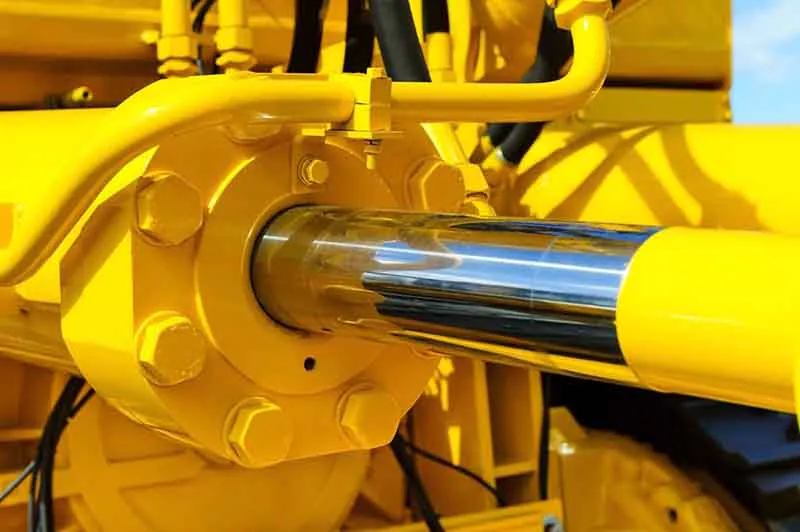
Actuators convert hydraulic energy into mechanical movement. Cylinders provide linear motion while hydraulic motors provide rotary motion.
Single-acting cylinders move in one direction, while double-acting cylinders provide controlled movement in both directions, making them suitable for more complex tasks.
How the Components Work Together
When the system is activated, the pump pushes fluid through hoses and valves to an actuator. The actuator responds by creating motion, such as lifting a load or extending a ram. Once the task is complete, fluid returns to the reservoir and the system is ready for the next cycle.
This coordinated process allows hydraulic systems to deliver smooth, controlled and powerful movement.
Common Hydraulic Terminology Explained
- Pressure: the force exerted by the fluid, measured in bar or PSI
- Flow: the volume of fluid moving through the system, usually measured in litres per minute
- Fittings: connectors that join hoses, pipes and components
- Couplings: quick-connect fittings that allow fast hose changes
- OEM: Original Equipment Manufacturer components or specifications
Understanding these terms helps when specifying parts or discussing system requirements.
Advantages of Hydraulic Systems
Hydraulics are widely used because they offer:
- High power output from compact components
- Precise control of speed and force
- Reliability in harsh or outdoor environments
- Long service life with proper maintenance
These advantages make hydraulic systems ideal for heavy-duty and safety-critical applications.
Basic Maintenance Tips for Beginners
Even simple maintenance routines can significantly extend system life:
- Inspect hoses regularly for wear, leaks or damage
- Monitor fluid condition and cleanliness
- Replace filters at recommended intervals
- Address small leaks before they escalate
Preventative maintenance reduces downtime and improves safety.
Common Beginner Mistakes to Avoid
- Selecting hoses or fittings with incorrect ratings
- Mixing incompatible fluids or components
- Ignoring early signs of wear or contamination
- Overtightening fittings during installation
Seeking professional advice early can prevent costly errors.
When to Speak to a Hydraulic Specialist
If a system is underperforming, leaking, overheating or repeatedly failing, expert support is essential. Hydraulic specialists can help with fault diagnosis, correct component selection and emergency repairs, minimising downtime and risk.
Final Thoughts
Hydraulic systems may power some of the world’s toughest machinery, but their core principles are easy to understand. By learning how components work together and following basic maintenance practices, even beginners can build confidence in using and managing hydraulic equipment.
For advice, parts or support, speaking to a knowledgeable hydraulic supplier can make all the difference.