

Reliability in Remote, High-Wear Agricultural Environments

/ 2
Agricultural machinery operates in demanding conditions. From muddy fields and dusty farmyards to long working days during planting and harvest, equipment must perform reliably under changing environmental conditions and sustained workloads.
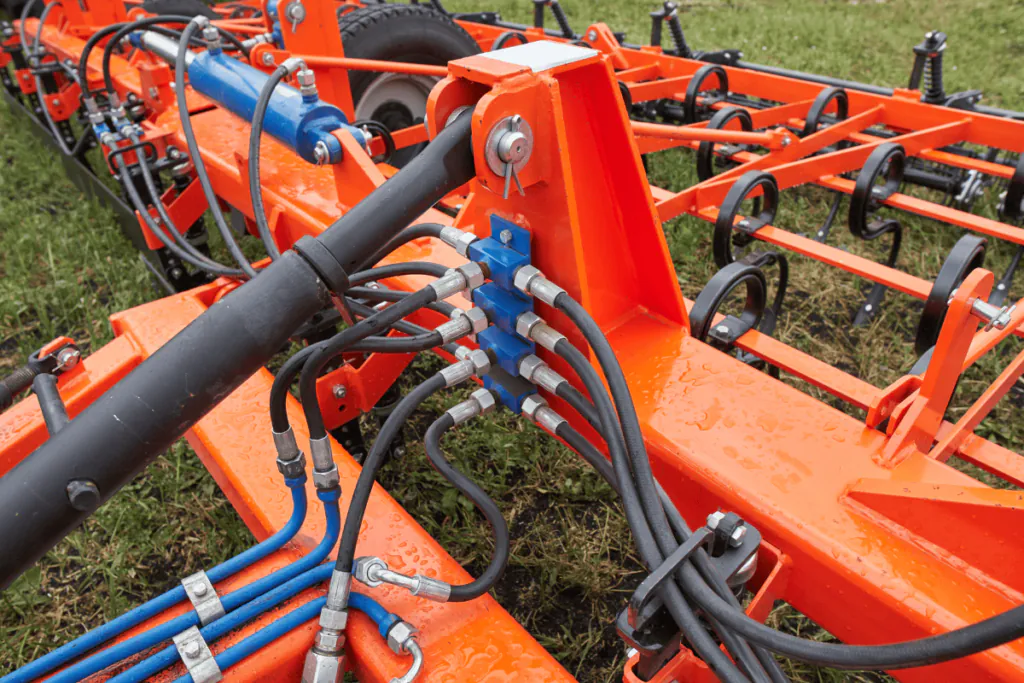
Hydraulic systems are central to many farming operations, providing the power needed to lift, steer, position and operate machinery. When a hydraulic component fails, the impact can extend beyond the machine itself, potentially disrupting time-sensitive work.
Maintaining reliable agricultural hydraulics is therefore essential for managing downtime, protecting equipment and keeping farm operations running efficiently.
Why Are Hydraulics Important in Agriculture?
Hydraulic systems transfer power through pressurised fluid, allowing machinery to perform controlled movements and handle substantial loads.
They are used across tractors, loaders, telehandlers, harvesters and specialist agricultural implements. Typical applications include operating loader arms, lifting equipment, driving hydraulic motors and controlling powered attachments.
Each application places different demands on the system. Components must be selected to meet the required pressure, flow rate, operating temperature and duty cycle.
Understanding these requirements is particularly important when maintaining older equipment or replacing parts that have failed during intensive use.
Common Challenges for Farm Machinery Hydraulic Systems
Dirt and contamination
Agricultural machinery is frequently exposed to soil, dust, crop residue and moisture. Contamination entering a hydraulic system can accelerate wear in pumps, valves and other precision components.
Keeping connection points clean during servicing, maintaining suitable filtration and following the manufacturer’s fluid replacement recommendations can help protect system performance.
Vibration and abrasion
Uneven terrain and repeated machine movement can place stress on hoses, fittings and pipework. Poor routing may allow hoses to rub against surrounding components, twist or bend beyond their specified limits.
Over time, this can damage the hose cover and increase the risk of failure.
Regular inspections, appropriate clamps and suitable hose protection can help identify problems before they cause an interruption.
Pressure and heavy workloads
Farm machinery often operates under substantial loads, particularly when lifting materials or powering demanding attachments.
Hoses, fittings, pumps and valves must be suitable for the system’s operating conditions. Installing a replacement component that looks similar but has the wrong specification can compromise reliability and safety.
Changing temperatures
Agricultural equipment may operate in freezing winter conditions or high summer temperatures. These changes can affect fluid viscosity, hose flexibility and component performance.
Using products suitable for the operating environment and following manufacturer guidance helps ensure that components are appropriate for the application.
Choosing the Right Hydraulic Hose for Agriculture
Hydraulic hoses are particularly important in agricultural machinery because they must carry pressurised fluid while accommodating movement and vibration.
When selecting a hose, consider the following factors:
- Working pressure: The hose must meet the maximum pressure requirements of the system.
- Internal diameter: Correct sizing helps provide the required flow without unnecessary pressure losses.
- Temperature: The hose must be suitable for both the hydraulic fluid and surrounding conditions.
- Fluid compatibility: Materials must be appropriate for the fluid being carried.
- Abrasion resistance: The hose cover must be suitable for the level of exposure to rubbing and environmental wear.
- Routing and flexibility: The assembly must accommodate machine movement without twisting, kinking or exceeding its specified bend radius.
- Fittings: Connections must be compatible with the equipment and assembled using the correct procedures.
Choosing suitable hydraulic hose for agricultural applications can help reduce premature wear and avoid preventable failures. For further guidance, read HOS’s article on choosing the right hydraulic hose.
Preventative Maintenance for Agricultural Hydraulics
Maintenance is particularly important when machinery operates remotely or when repairs during busy periods could disrupt essential work.
Inspect accessible hoses and fittings regularly for visible damage, leaks, abrasion and signs of deterioration. Monitor fluid condition and follow the manufacturer’s maintenance schedule for filters, oil changes and other service requirements.
It is also worth checking hose routing and protective clamps, particularly where components move during operation.
Never use your hands to locate a high-pressure hydraulic leak. Escaping fluid can penetrate the skin and cause serious injury. Depressurise the system and follow the manufacturer’s safety procedures before carrying out maintenance.
Keeping records of inspections, replacements and recurring failures can also help identify underlying issues. Repeated hose damage in the same location, for example, may indicate a routing or abrasion problem rather than an isolated component defect.
Reducing Downtime During Busy Farming Periods
Planning maintenance before peak seasonal workloads can help reduce the risk of unexpected interruptions.
Useful steps include identifying critical equipment, inspecting hydraulic systems before intensive use, recording component specifications and keeping suitable replacement parts available where practical.
Having access to knowledgeable technical support can also make it easier to identify suitable components when a repair is needed.
How HOS Supports Agricultural Hydraulics
HOS has more than 35 years of experience supporting agricultural applications, supplying hydraulic hose assemblies, pumps, cylinders, motors and related products.
Its technicians and engineers can provide advice on hydraulic requirements, helping customers identify suitable solutions for their machinery and operating conditions.
Whether you are maintaining existing equipment, sourcing replacement components or preparing machinery for seasonal work, HOS can help you discuss your requirements.
Explore the HOS agricultural hydraulics service or contact the team for support.
Keep Your Farm Machinery Working Reliably
Reliable agricultural hydraulics depend on suitable component selection, correct installation and consistent maintenance. By identifying wear early, maintaining fluid cleanliness and planning for repairs, agricultural businesses can reduce avoidable failures and improve equipment readiness.
For support with hydraulic hoses and components for demanding agricultural environments, speak to HOS about your requirements.