

When Renting Hydraulic Equipment Makes Commercial Sense
/ 2
Hydraulic equipment is essential for many industrial maintenance, installation and repair projects. However, purchasing specialist machinery is not always the most cost-effective option, particularly when equipment is only needed occasionally.
For businesses managing changing workloads, project budgets and maintenance schedules, hydraulic equipment hire can provide access to the tools required without the commitment of ownership.
So, when does hiring make commercial sense, and when is buying the better long-term investment?
When Does Hydraulic Equipment Hire Make Sense?
- You only need equipment for a specific project
Some hydraulic tasks require specialist equipment that may not be used regularly. Examples include hydraulic flushing, oil transfer, pressure testing and hose assembly preparation. If a business needs a flushing rig for a planned shutdown or pipe bending equipment for a one-off installation, purchasing machinery solely for that task may be difficult to justify. Hiring allows equipment to be used for the required period without creating a long-term asset that may spend much of its life in storage.
- You want to manage upfront costs
Purchasing specialist hydraulic machinery can require a substantial initial investment. Hiring can reduce the immediate financial commitment and leave capital available for other operational priorities. However, the total cost should always be assessed. Hire charges, transport, technician support and any additional fees can affect the final price. The commercial benefit depends on the duration of the project and how frequently the equipment will be needed.
- Your workload changes throughout the year
Businesses with fluctuating workloads may not need the same equipment all year round. Seasonal demand, maintenance shutdowns and short-term contracts can create temporary requirements for specialist tools. Rather than purchasing equipment for occasional use, hiring can help businesses adapt to changing project demands and access different equipment when required.
- You need specialist tools or technical support
Hydraulic work can involve equipment that requires specific knowledge to operate correctly. Hiring may provide access to suitable machinery for a particular job, with the option of technician support where available. This can be useful for companies that have the necessary project expertise but do not regularly undertake a particular task. Before arranging a hire, establish the scope of the work, the equipment required and whether a technician is needed.
When Is Buying Hydraulic Equipment Better?
Hiring is not always the cheapest option. If equipment is used frequently, purchasing may offer better long-term value. Buying may be preferable when machinery is needed every week, availability is critical or the equipment forms an integral part of daily operations. Ownership also provides greater control over when equipment is used, although the business remains responsible for managing appropriate maintenance, storage and servicing. A useful starting point is to compare the total expected hire cost over a realistic period with the purchase price and ongoing ownership expenses.
How to Compare the Costs of Hiring and Buying
A commercial comparison should include more than the initial purchase price or daily hire rate.
When buying, consider:
- Purchase and delivery costs.
- Installation and commissioning, where applicable.
- Maintenance, servicing and calibration requirements.
- Storage, handling and insurance.
- Depreciation and eventual replacement.
For hire, consider:
- Daily, weekly or longer-term charges.
- Delivery and collection.
- Technician costs, if required.
- Consumables and project-specific expenses.
- The possibility of delays extending the hire period.
For example, a business undertaking one planned hydraulic maintenance project may find hiring a flushing rig more economical than buying one. A business carrying out similar work continuously may benefit from owning the equipment.
The decision should reflect actual usage, not simply which option has the lowest initial cost.
What About Hydraulic Hose Hire in the UK?
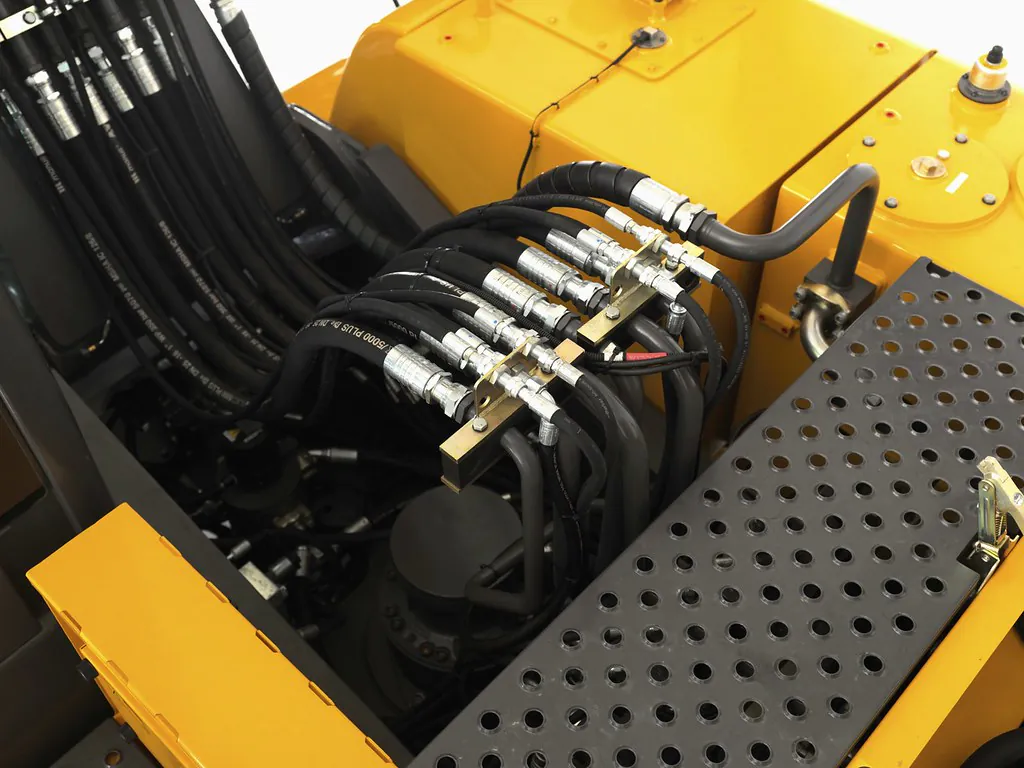
Hose assembly and maintenance work can require specialist equipment, including mobile swaging machines, hose cutting equipment and skiving tools.
For businesses that only manufacture or repair hose assemblies occasionally, hydraulic hose hire in the UK may be worth considering where suitable equipment is available.
Before hiring, confirm the hose and fitting requirements, tooling compatibility and the competence needed to carry out the work. Correct assembly procedures are essential for the safety and reliability of pressurised hydraulic systems.
Hiring equipment does not remove the need for suitable training, inspection or compliance with relevant safety requirements.
Hydraulic Equipment Hire from HOS
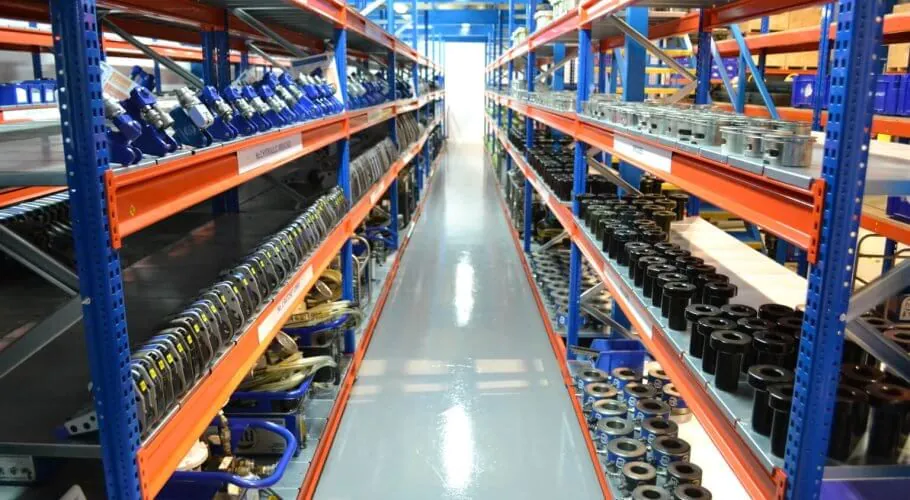
HOS offers a range of hire equipment for industrial and hydraulic applications. The range includes oil transfer units, flushing rigs, hydraulic oil test benches, nitrogen charging kits, mobile swaging machines, hose cutting equipment and pipe bending tools.
Equipment can be supplied with or without technicians, depending on the requirements of the project and the equipment selected.
This provides businesses with an opportunity to discuss their needs and identify an appropriate hire solution without automatically committing to a purchase.
Explore the hydraulic equipment hire service at HOS or contact the team to discuss your project.
Make the Right Commercial Decision
The choice between hiring and buying hydraulic equipment depends on utilisation, project duration, budget and ongoing maintenance requirements.
Hiring can be a practical option for short-term projects and occasional specialist tasks, while purchasing may make more sense for equipment used regularly.
By comparing the full costs and considering operational requirements, businesses can choose an approach that supports efficient project delivery without unnecessary expenditure.